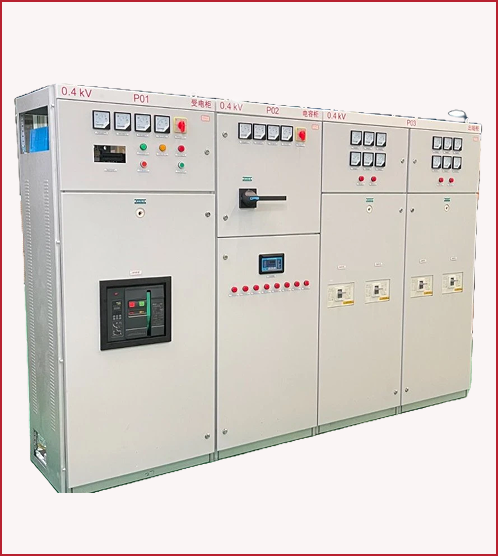
Electrical control panels serve as a central hub for controlling, monitoring, and protecting electrical equipment and processes. At Steema Transformers & Electricals (U) Ltd, we provide a full range of project support, including project planning, logistics management, on-site installation, and commissioning. We are proud to manufacture and supply high-quality control panels designed to meet diverse industrial needs.
Product Description
Electrical control panels, often referred to simply as “control panels,” are critical components in a variety of electrical and industrial systems. Control panels are used in a wide range of applications including manufacturing, power distribution, automation, HVAC (heating, ventilation, and air conditioning), and more. They are typically robust metal boxes or enclosures with specific structures and components designed to perform various mechanical and electrical functions.
Functions Operations

Switching and Starting
Operators can use switches and buttons to manually start and stop electrical equipment, such as motors, pumps, or lights.

Automatic Control
PLCs or other automated control systems can be programmed to perform various automation tasks. This includes timing operations, conditional controls, and logical operations.

Monitoring and Feedback
Sensors continuously monitor various parameters such as temperature, humidity, current, and pressure, feeding this information back to operators or automated systems for informed decision-making.

Fault Detection and Protection
Our electrical control panels are designed to detect faults in the circuit (such as short circuits or overloads) and take appropriate protective measures, such as cutting off power, safeguarding your assets.
Data Collection and Recording
The control panel can collect and record operating data, which is invaluable for fault diagnosis, proactive maintenance planning, and comprehensive performance analysis
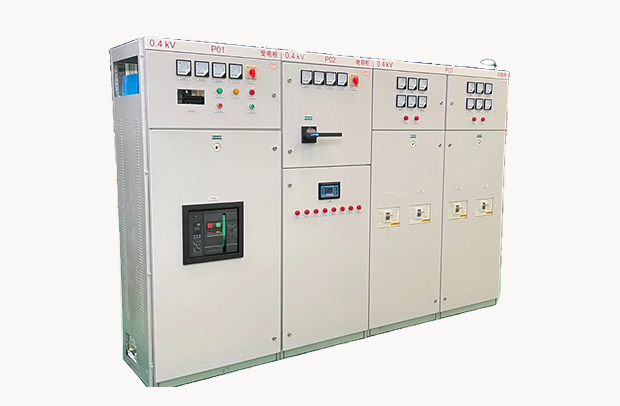
The Structure of an Electrical Control Panel
Our electrical control panels are meticulously constructed and usually include the following key components:
- Enclosure/Enclosure: The control panel is typically mounted in a protective enclosure to prevent unauthorized access, protect internal electrical components from the external environment (dust, moisture, etc.), and ensure safety. Enclosures may vary in size and material, such as stainless steel or NEMA grade, and commonly feature safety locks, doors, and seals for enhanced security and protection.
- Electrical Components: These form the core of an electrical control panel and include, but are not limited to:
- Circuit Breakers: For overload and short circuit protection. We utilize leading brands like ABB, Schneider, Siemens, and L&T (Lauritz Knudsen) for superior reliability.
- Relays and Contactors: Used to control motors, lights, and other electrical equipment. These electromagnetic switches are vital for controlling high-current circuits and equipment such as motors or heaters. They are typically controlled by PLCs or other control equipment.
- Sensors: Electrical control panels often incorporate a variety of sensors to monitor parameters such as temperature, pressure, flow, and level. Sensor data is crucial for real-time decision-making and adjustments within the controlled system.
- Switches and Buttons: For manual operation and control.
- Timers: Used to perform time-related operations.
- PLC (Programmable Logic Controller): In many industrial applications, PLCs are integrated to automate and control processes. This digital computer can be programmed to perform specific tasks and execute logic based on input signals.
- HMI (Human Machine Interface) Screen: Used to display status information and accept operational input. In advanced electrical control panels, an HMI can be integrated, allowing operators to interact with the system through a graphical interface. HMIs may include touch screens and software for real-time data visualization and control.
- Power Supply Unit: Used to provide the required power. Control panels typically have their own power supply, including transformers, distribution blocks, and circuit breakers, ensuring stable power to the components within the panel.
- Cables and Connectors: A variety of cables and connectors are carefully integrated within electrical control panels to carry electrical signals between different components. These connectors facilitate easy plugging and maintenance.
- Labels and Markings: Comprehensive labels and markings are used to clearly identify the function of each component, as well as the purpose and direction of connecting wires.
Steema Transformers & Electricals (U) Ltd manufactures and supplies electrical control panels primarily categorized into the following types, depending on their application and functionality:
- Power Control Center (PCC): A PCC is typically located in the power distribution system of an industrial facility and is used to distribute power to different subsystems. It includes the main circuit breaker, current and voltage monitoring equipment, and communication interfaces.
- Motor Control Center (MCC): The MCC is specifically designed for controlling and protecting electric motors. It includes starters, thermal protection, contactors, and intricate control logic.
- Automation Panels (SCADA/PLC Panels): These panels are usually equipped with advanced PLC or SCADA (Supervisory Control and Data Acquisition) systems for sophisticated automation control and monitoring. They can execute complex control logic, monitor multiple parameters, and often feature remote access and control capabilities.

Quick Inquiry
"*" indicates required fields